A 2025 study of a pediatric dental institution, for example, found a 14.3% no-show rate, with that number jumping to 24% for adolescent patients. These gaps in the schedule represent lost revenue and disruptions to care continuity. This article provides a framework for closing those gaps by defining what true engagement means, outlining practical strategies for improvement, and explaining how to evaluate software and measure your progress.
Key Takeaways
- True engagement is a two-way street. It's personalized, timely, and connected to the patient’s specific stage in their care journey, allowing them to respond and act.
- Integration is non-negotiable. A solution that connects with your practice management system (PMS) is far more valuable than another siloed communication tool.
- Start small and measure. Focus on fixing one specific friction point—like no-shows or overdue recall—before automating your entire patient journey.
- Compliance comes first. Privacy, consent, and HIPAA obligations must guide every automated workflow and patient interaction you design.
What Is Dental Patient Engagement?
Dental patient engagement is the ongoing, collaborative relationship between a patient and a practice. It spans every touchpoint, from the first inquiry and scheduling to treatment decisions, payment, and long-term retention. Engaged practices don’t just broadcast information—they build a responsive system that guides patients through their care.
One-Way vs. Two-Way Communication
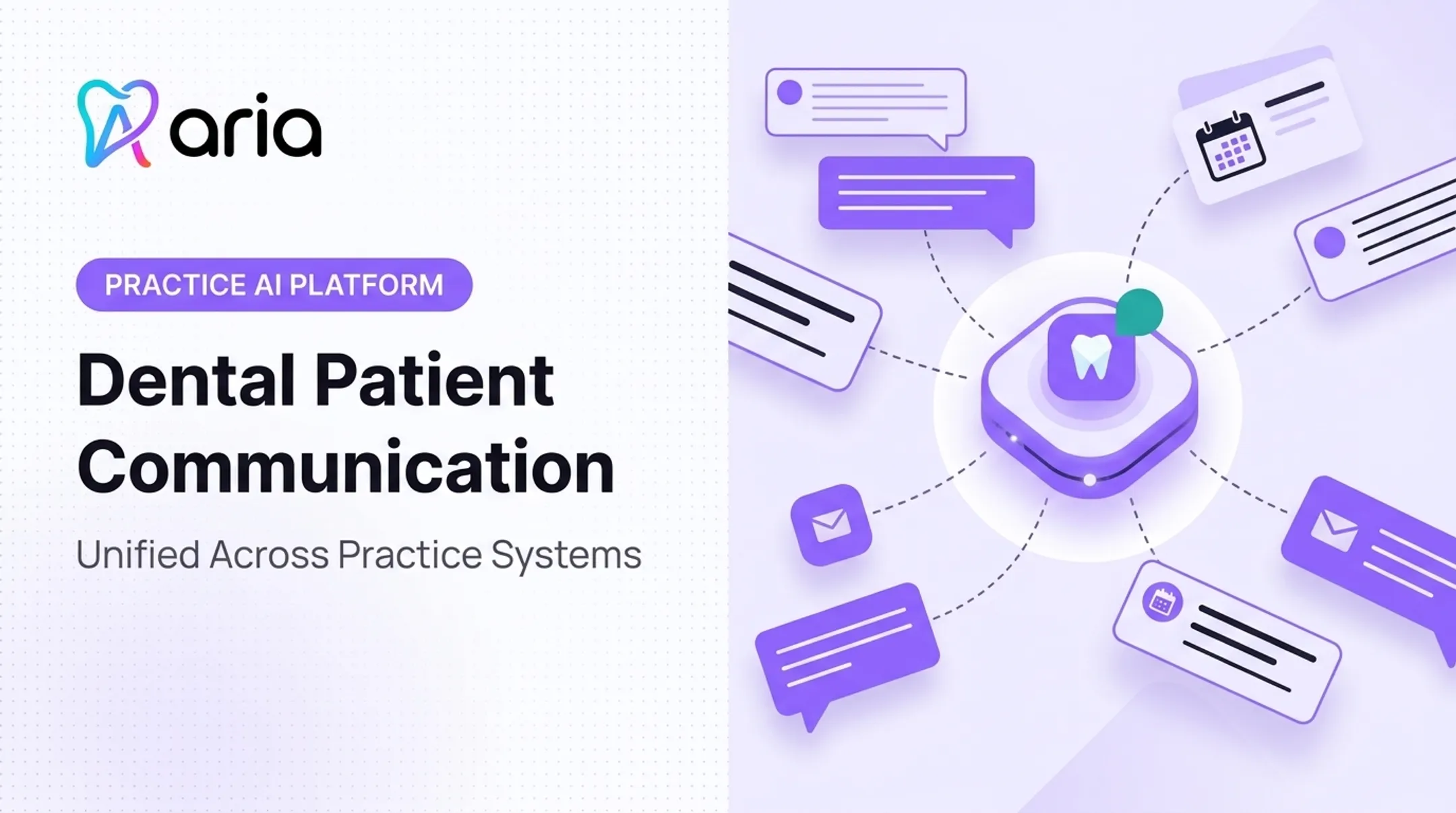
Many practices mistake one-way communication for engagement. Sending a reminder is a notification; true engagement happens when the patient can instantly respond to confirm, ask to reschedule, or get a question answered without playing phone tag. This two-way interaction is crucial across the entire patient journey.
The Full Patient Journey
A patient's experience doesn't start and end at the chair. It includes a series of steps where they can either move forward smoothly or drop off.
- Discovery & Booking: The first inquiry and appointment scheduling.
- Pre-Visit: Completing forms, receiving instructions, and confirming the visit.
- In-Office: Check-in, treatment explanation, and case acceptance discussions.
- Post-Visit: Payment, scheduling the next appointment, and providing feedback.
- Continuing Care: Recall for hygiene, follow-up on unscheduled treatment, and reactivation of lapsed patients.
When this journey is fragmented, problems arise. Confusing online forms, slow responses to questions, and unclear cost estimates create barriers. According to an ADA report, 13% of the U.S. population cited cost as a barrier to receiving dental care in 2022.
If financial questions can't be answered easily, a patient may never book the treatment they need. A seamless journey connects these dots, making it easy for patients to say "yes" to care.
How to Improve Dental Patient Engagement
Improving engagement starts with identifying and fixing the highest-friction moments in your patient journey. Instead of a complete overhaul, focus on targeted, measurable changes.
Start by Finding the Friction
Where do your patients get stuck? Talk to your team and listen to patient feedback. Your highest-impact problems are likely easy to spot:
- High no-show or late cancellation rates for specific appointment types.
- Low completion rates for digital intake forms.
- A large backlog of unaccepted treatment plans.
- A growing list of patients overdue for hygiene.
Focus your initial efforts on the one or two issues causing the most administrative pain or lost revenue.
Personalize Your Outreach
A one-size-fits-all message rarely works. Effective communication is tailored to the patient's context. Segment your outreach based on:
- Appointment Type: A new patient consultation requires different information than a routine cleaning.
- Treatment Status: A patient with an unscheduled root canal needs a different follow-up than one due for a six-month check-up.
- Communication Preference: Respect patient choices for SMS, email, or voice.
- History: Has the patient missed appointments before? Your messaging strategy might need to adapt.
Channel choice matters. A 2011 randomized trial in a pediatric dental clinic found voice reminders led to an 8.2% no-show rate, while text reminders resulted in a 17.7% rate. Test what works for your patients instead of assuming SMS is always superior.

Automate Routine Work, Not Relationships
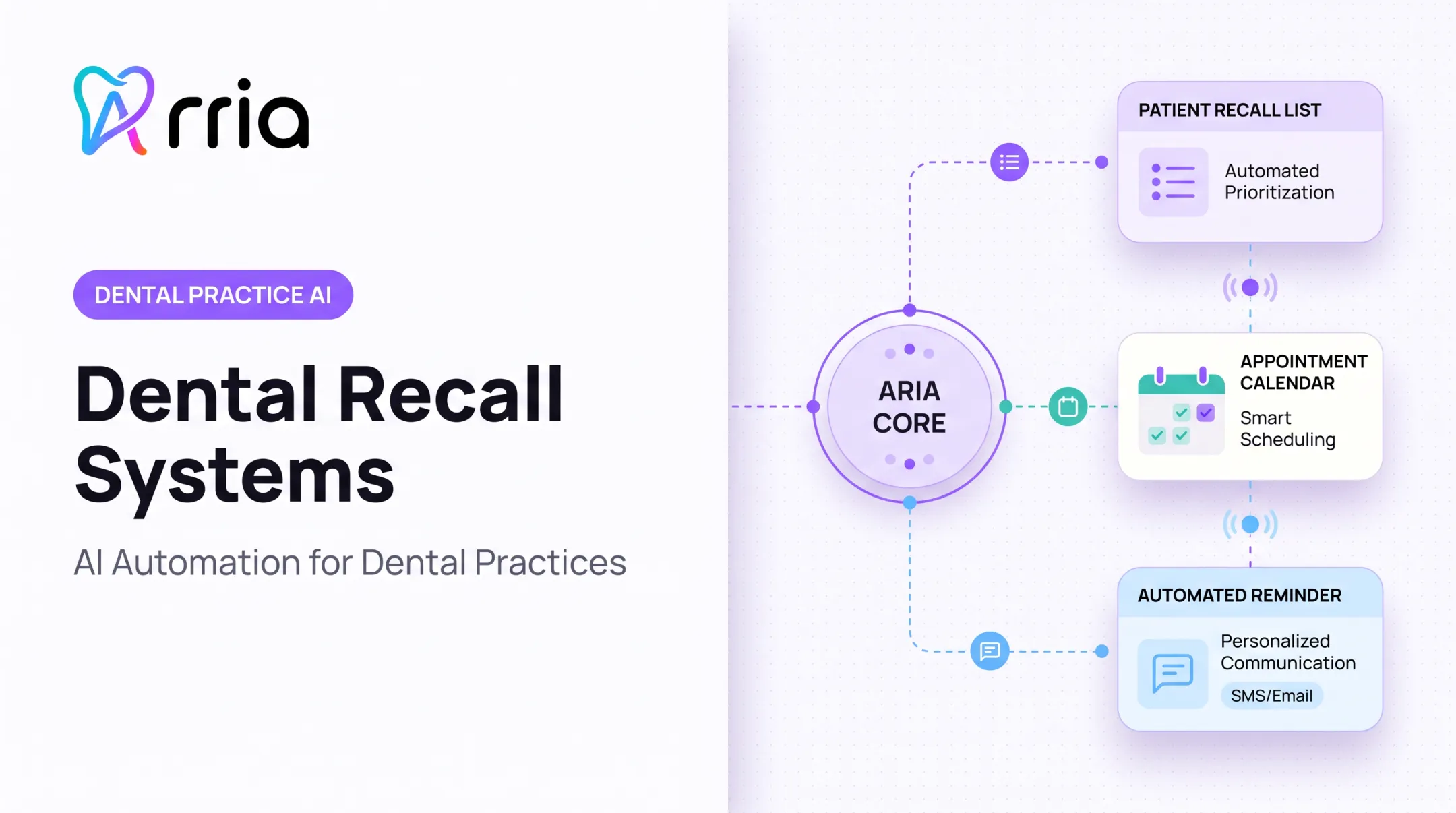
Automation should handle the repetitive tasks of recall and reactivation, freeing up your team to manage exceptions and build relationships. Use automated workflows to flag and contact patients who are:
- Overdue for hygiene appointments.
- Due for follow-up on incomplete treatment plans.
- Still unscheduled after a missed or cancelled visit.
The system should handle the initial outreach, but a team member must be ready to step in when a patient has a specific question or concern.
Make the Next Step Obvious
Every message should have a clear call to action. Whether it's an email, text, or portal notification, make it simple for the patient to take the next step. This could be a one-click confirmation, a link to a pre-filled form, or a direct path to your online scheduling tool to book a recommended follow-up.
What to Look for in Dental Patient Engagement Software
Choosing the right software is less about flashy features and more about deep integration and workflow intelligence. Your goal is to connect your operations, not add another login for your team to manage.
Deep PMS Integration
This is the most critical factor. The software must be able to securely read and write data in your practice management system. Without this, you're just creating more manual work. Ask a potential vendor:
- Can it pull patient contact information, appointment details, and treatment plan status from our PMS in real time?
- Can it write confirmations, completed form data, and communication history back to the patient record?
- Does it create duplicate patient records or sync cleanly with the existing system of record?
Full Lifecycle Coverage
Look for a platform that supports the entire patient journey, not just one piece of it. Key capabilities should include:
- Online scheduling
- Customizable reminders and confirmations
- Two-way messaging (SMS, email, voice)
- Digital forms and consents
- Automated recall and reactivation
- Treatment plan follow-up
- Patient surveys and feedback collection
Personalization and Automation Rules
Coverage alone is not enough—the platform should route the right message to the right patient automatically. You need smart workflows you can tailor without custom development:
- Branch sequences by appointment type, patient status, location, or provider
- Treat high-value case follow-up differently from routine hygiene reminders
- Trigger next steps from PMS events such as a newly presented treatment plan
- Adjust timing and channel (SMS, email, voice) based on patient preference and consent
Point Solutions vs. a Connected Operating Layer
After you map lifecycle features, check how those tools connect. Many practices stack separate apps for reminders, forms, and reviews. Those point solutions rarely sync with each other—or with finance and payroll—so data stays siloed.
A stronger model is a connected operating layer. Aria, for example, sits on top of your existing PMS, revenue cycle tools, and patient communications instead of replacing them. Teams can:
- Ask natural-language questions such as “Show me all patients with over $2,000 in unscheduled treatment”
- Trigger outreach in one system from events in another, like educational follow-ups after a new treatment plan
- Share one view of production, collections, and engagement across single offices, multi-location groups, and DSOs
That approach helps growing groups standardize operations and keep visibility without ripping and replacing technology at each location.

Verify Privacy and Security
Any vendor handling Protected Health Information (PHI) must be a trusted partner.
- Business Associate Agreement (BAA): The vendor must be willing to sign a BAA that outlines their responsibilities for protecting PHI.
- HIPAA Compliance: The platform should have robust security safeguards, including encryption, access controls, and audit logs.
- Consent Management: The software must manage and honor patient consent for communications, especially for SMS messages, which are governed by the Telephone Consumer Protection Act (TCPA).
How to Measure and Implement Dental Patient Engagement
You can't improve what you don't measure. A successful implementation starts with a clear baseline and a phased rollout plan.
Establish Your Baseline
Pull the last 3–6 months of data on these metrics before you change any workflow:
- Appointment confirmation rate
- No-show and late cancellation rates
- Digital form completion percentage
- Hygiene reappointment rate (next visit booked before checkout)
- Treatment acceptance rate
- Average staff time spent on manual outreach
Map Metrics to Actions
Connect each metric to a specific engagement workflow. This helps you diagnose problems and measure the impact of your changes.
| If This Metric Is Low... | Investigate This Workflow... |
|---|---|
| Confirmation Rate | Reminder timing, channels, and calls to action. |
| Treatment Acceptance | Case presentation, educational follow-up, and financial clarity. |
| Hygiene Recall Rate | Automated outreach cadence and ease of scheduling. |
| No-Show Rate | Confirmation process and rescheduling options. |
Use a Phased Implementation
Roll out one workflow at a time so your team can learn the process and you can read clean results.
- Start with one high-impact workflow, such as appointment confirmations or overdue hygiene recall.
- Configure and test with your team, including who owns exceptions.
- Launch to a limited patient group and monitor results for a few weeks.
- Review the data, adjust, then expand the workflow to all patients.

Aria can speed this up by letting you query operational data in plain language to set the baseline, then schedule recurring reports and alerts so progress is tracked without spreadsheet busywork.
Read every metric beside patient experience and clinical quality—fuller schedules and clearer follow-up only matter if care and trust improve with them.
Conclusion
Dental patient engagement is an operating discipline that connects every touchpoint into one continuous, supportive journey. It builds trust, improves health outcomes, and strengthens your practice's financial health by getting scheduled treatment completed.
Start with one measurable point of friction in the patient journey:
- Getting patients to confirm appointments
- Booking the next hygiene visit before they leave
- Following up on unaccepted treatment
Pick one intervention, put it in place, and review the results with your team. Fix one broken step at a time, and you build a more resilient practice that keeps patients moving forward.
Frequently Asked Questions
What are some good dental patient engagement software options?
The best option depends on your practice size, PMS, and specific goals. Look for solutions with deep integration, two-way communication, and strong reporting, then compare how they handle your most critical workflows.
What does dental patient engagement software do?
It automates and manages patient interactions like reminders, scheduling, and digital forms. Key functions include two-way communication, recall and reactivation campaigns, treatment follow-up, and collecting patient feedback.
How can dental practices improve patient engagement?
Focus on personalized, two-way communication that makes it easy for patients to act. Simplify scheduling and forms, provide clear treatment education, maintain a reliable recall process, and measure where patients drop off.
What features should I look for in dental patient engagement software?
Prioritize deep PMS integration, multi-channel messaging, strong personalization, true two-way response handling, automation, and clear reporting. Also, confirm the vendor provides strong security, consent management, and usability.
How do you measure patient engagement in a dental practice?
Key metrics include confirmation rates, no-shows, late cancellations, form completion, hygiene reappointment, and treatment acceptance. Also track staff time spent on outreach to measure efficiency gains.
Is dental patient engagement software HIPAA compliant?
Compliance depends on the vendor, your contract (BAA), and how you configure and use the software. Always verify the vendor’s security documentation and ensure your workflows align with your practice's HIPAA obligations.