But texting a patient about identifiable dental care often involves protected health information (PHI), even when the message looks harmless. A reminder that names a procedure, a photo of a filling, or a reply about a swollen cheek all count. Convenience does not automatically make ordinary SMS appropriate. Compliance depends on the safeguards behind the message: patient consent, vendor agreements, staff training, and how the practice documents what was sent.
This guide walks through how to build a texting workflow that holds up under HIPAA, step by step.
Key Takeaways
- HIPAA doesn't prohibit texting dental patients, but it requires reasonable safeguards and limited disclosures.
- Personal phones and consumer texting apps often lack the encryption, access controls, and audit trails a compliant workflow needs.
- Documented consent, a signed business associate agreement where applicable, and minimum-necessary messaging are non-negotiable.
- The right platform, clear use-case boundaries, and trained staff matter more than any single feature.
How to Text Dental Patients in a HIPAA-Compliant Way
Building a compliant texting workflow isn't about finding one magic app. It's a sequence of decisions, each one closing a gap that could expose PHI or create legal risk.
Step 1: Define Permitted Use Cases and Escalation Boundaries
Start by separating low-detail administrative messages from anything clinical:
- Safe for text: appointment confirmations, scheduling requests, recall prompts, generic office instructions.
- Not safe for text: diagnoses, treatment plans, clinical photos, payment details, post-operative advice.
Decide which patient questions staff can answer by text and which need a phone call, a secure portal, or an authenticated conversation. Make it explicit, in writing, that texting is never an emergency channel.
Include a line in every automated message series pointing patients with severe bleeding, breathing trouble, or other urgent symptoms to call the office or 911.
Step 2: Obtain, Verify, and Document Patient Consent
Build texting consent into intake, not as an afterthought. Capture:
- The phone number and whose it is
- The types of messages the patient agrees to receive
- Expected response times
- How to opt out
Verify the number belongs to the patient before sending anything containing PHI. Shared family phones, caregiver contacts, minors, and separated guardians all need a documented process for who actually receives the message.
Consent for appointment reminders doesn't automatically cover clinical updates or marketing texts. Treat those as separate permissions.
Step 3: Select a Secure Platform and Complete Vendor Due Diligence
Skip the vendor review and everything else falls apart. Confirm the platform offers:
- Encryption in transit and at rest
- Role-based access and unique staff logins
- Audit logs and device controls
- Defined retention, deletion, and backup procedures
- A documented breach-response process
If the vendor creates, receives, maintains, or transmits PHI for the practice, get a signed business associate agreement before anyone sends a message. HHS business associate guidance notes that simply selling software doesn't make a vendor a business associate, but hosting or accessing patient data for the practice generally does.
Integration matters too. A texting tool that lives outside the practice management system scatters consent records, conversation history, and follow-up tasks across disconnected inboxes.
Platforms like Aria, which connect patient communications with the systems a practice already runs, keep that information centralized rather than siloed on individual staff phones. Still, no operations layer is a compliance shortcut. Confirm the specific texting features, security controls, and BAA terms directly with any vendor, Aria included, before relying on it for PHI.
Step 4: Send, Manage, and Document Each Conversation Appropriately
Every message should carry the minimum information necessary:
- Confirm the recipient and appointment context before sending
- Avoid clinical shorthand, jokes, or ambiguous instructions
- Route treatment discussions, photos, and symptom questions to a secure channel instead
Document clinically relevant texts in the patient record: what the patient asked, how staff responded, and any escalation. Watch for delivery failures, opt-outs, and unanswered messages. A text that falls into an unassigned inbox is just as much a risk as one sent to the wrong number.

When HIPAA-Compliant Dental Texting Makes Sense (and What You Need First)
Texting works best for timely, repeatable communication. It struggles the moment a conversation needs diagnosis, nuanced informed consent, or an emergency response.
Where Texting Fits
- Appointment reminders, confirmations, and rescheduling
- Recall outreach and waitlist openings
- Pre-visit instructions and secure form links
- Post-visit check-ins and follow-up on unaccepted treatment, without clinical detail
Two-way texting also cuts down on phone tag. Set clear expectations for response time so patients know whether to expect a reply in minutes or by the next business day.
Where It Gets Risky
Some situations should never happen over plain SMS:
- Sending a diagnosis or detailed treatment plan
- Discussing another family member's care on a shared phone
- Requesting sensitive photographs through an unsecured channel
- Giving clinical advice without an actual assessment
Equipment and Readiness
A compliant texting program needs more than good intentions. At minimum:
- A managed business texting platform (not personal cell phones)
- Unique staff accounts with role-based access
- Multifactor authentication where available
- A documented retention and access-revocation process
Prepare approved templates for reminders, consent language, opt-out instructions, and emergency redirects in advance. Then train front-desk, billing, hygiene, and clinical staff on minimum-necessary disclosure, recognizing phishing links, and knowing exactly when to stop texting and pick up the phone.
Key Parameters That Affect Compliance and Patient Safety
A secure platform alone doesn't make every message compliant. Outcomes depend on content, recipient accuracy, and staff behavior just as much as the software behind it.
- Patient identity and contact accuracy. Wrong-number texts disclose PHI even on a secure platform. Verify numbers regularly, flag duplicate contacts, and build a special process for shared or caregiver phones.
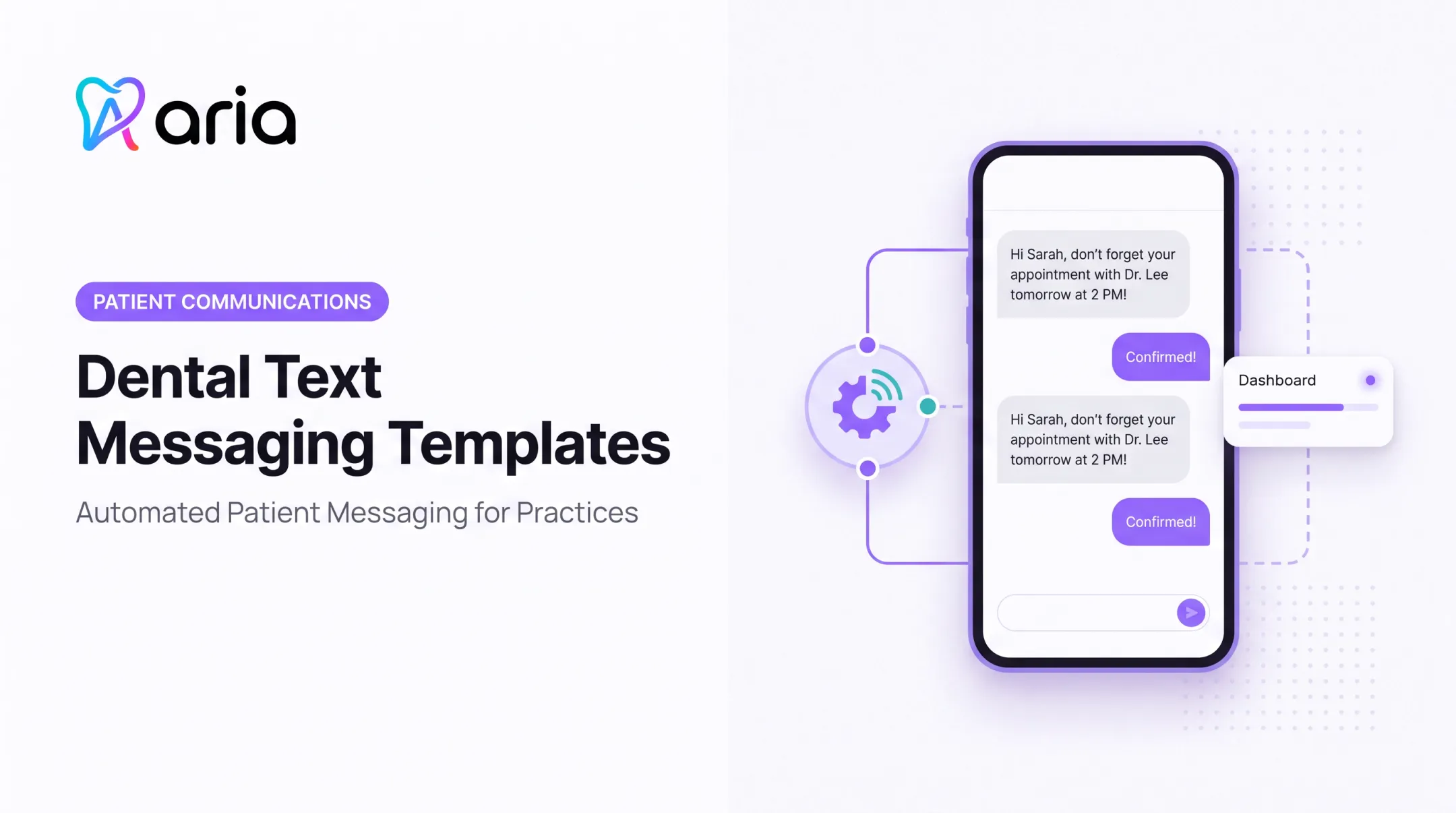
- Message content and minimum necessary disclosure. A reminder saying "Your appointment with Dr. Lee is tomorrow at 2 PM" discloses far less than one naming a procedure. When in doubt, send a secure link or ask the patient to call instead of detailing anything clinical.
- Consent, opt-out, and preferences. Texting consent isn't the same as a general consent form or marketing permission. Honor opt-out requests immediately and keep records current.
- Security, access, and vendor controls. Technical safeguards under 45 CFR 164.312 require unique user IDs, audit controls, and transmission security. Encryption is labeled "addressable," not mandatory in every case, but HHS's appointment-reminder FAQ still expects reasonable safeguards around disclosure.
- Documentation, retention, and escalation. Decide which exchanges belong in the dental record, set response-time rules, and build escalation paths for pain, swelling, or medication questions.
- TCPA and state law. HIPAA compliance doesn't replace other rules. The FCC's 2015 healthcare exemption permits limited no-charge healthcare texts weekly, and state privacy laws may add further restrictions, so confirm requirements with legal counsel.

Common Mistakes and Troubleshooting
Most texting problems trace back to a handful of recurring gaps.
- Skipping preparation leaves wrong numbers, missing consent, shared devices, and untrained temporary staff in play. A pre-send checklist and periodic contact audits catch these before they become incidents.
- Personal phones or consumer apps for PHI stay a practice obligation even when the patient texts first. How the conversation started does not change the rules.
- Oversharing clinical detail by text is a frequent slip. Detailed diagnoses, radiographs, payment information, and symptom triage belong on a phone call or secure channel. Document when and why a conversation moved elsewhere.
- When patients stop responding or messages look suspicious, check sender ID, branding, and whether the link destination looks legitimate. Offer a fallback phone number for anyone who would rather not click.
- If a message reaches the wrong person or a device is lost, follow the incident-response policy immediately: restrict further access, preserve records, and notify the privacy or security lead. Assess whether breach-notification rules apply. Deleting a message does not remove every copy.
- When staff cannot tell which conversations need follow-up, centralized assignment, alerts, and response-time rules keep messages from sitting unanswered in an inbox nobody owns.
Alternatives to Texting Dental Patients
The safest strategy usually mixes channels based on sensitivity, urgency, and what the practice can reliably monitor.
| Channel | Best for | Trade-off |
|---|---|---|
| Secure patient portal | Treatment discussions, forms, clinical images | Requires patient login, slower adoption |
| Phone call | Informed consent, urgent symptoms, emotional conversations | Higher staff time, phone tag |
| Email / secure video | Longer explanations, virtual consults | Still needs identity and security verification |
A 2011 study in the Journal of the American Dental Association found no-show rates of 17.7% with SMS reminders versus 8.2% with voice reminders in a pediatric clinic setting. Texting is not automatically the better channel for every patient population. Match the channel to the message, not the other way around.

Conclusion
HIPAA-compliant texting with dental patients is achievable once the practice treats it as a governed workflow, not an informal convenience. Build the process around a few non-negotiables:
- Verify the recipient before every message
- Document consent
- Send only what is minimally necessary
- Choose a platform with the right contractual and technical controls
- Train staff on where the line sits
- Keep a record of anything clinically relevant
Review your current texting process with your privacy and legal advisors before expanding it across the practice or additional locations. A small pilot catches gaps a lot faster than a practice-wide rollout does.
Frequently Asked Questions
What are the HIPAA rules for texting patients?
HIPAA doesn't categorically prohibit texting, but practices must use reasonable safeguards, limit what's disclosed, verify recipients, and address consent. Vendor and security controls matter just as much as the policy itself.
What are some HIPAA-compliant text messaging services?
No service is "HIPAA-compliant" by label alone. Evaluate each one for encryption, access controls, audit logs, retention policies, and a signed BAA, then confirm with legal review before adopting it.
What is the 3-text rule?
There's no universal HIPAA rule limiting texts to three. That figure comes from the FCC's narrow 2015 healthcare exemption for certain no-charge robotexts, not from HIPAA's requirements around consent and safeguards.
Can a dental office text appointment reminders under HIPAA?
Yes, when the practice verifies the number, limits the information disclosed, and follows its consent policy. Reminders are treated as treatment communication and don't require a separate authorization.
Do patients have to consent to receive dental text messages?
HIPAA focuses on safeguards rather than consent alone, but the TCPA and state laws often require documented opt-in. Keep expectations clear and make opting out easy.
Can dental practices use regular SMS to communicate with patients?
Ordinary SMS often lacks encryption, access controls, and audit trails. Use a properly secured platform for anything involving PHI, and move sensitive conversations to a phone call or authenticated channel.